The families and business owners getting ahead on energy costs are not waiting for the next power bill shock. They are replacing expensive, ageing gas and inefficient electrical systems with smarter, all-electric setups that are cheaper to run, easier to manage and better suited to how properties work now. That is where home electrification services make a real difference – not as a single product, but as a coordinated plan.
For many Australian properties, the problem is not just high bills. It is a mix of older hot water systems, underperforming heating and cooling, rising network charges, and new energy demands such as EV charging. Trying to solve each issue separately often means dealing with multiple contractors, duplicated site visits and upgrades that do not work together. A better approach is to treat electrification as one connected project.
What home electrification services actually cover
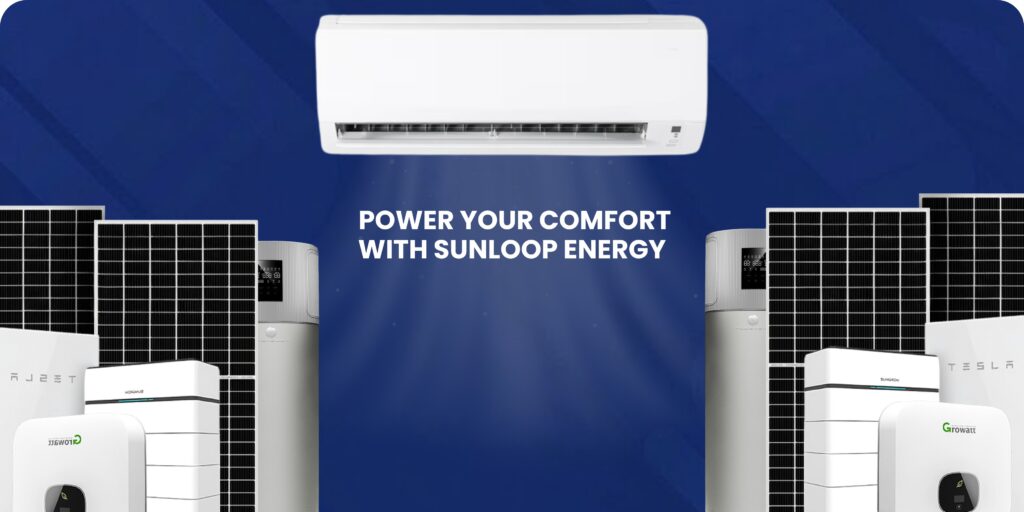
Home electrification services usually refer to replacing fossil fuel or inefficient household systems with modern electric alternatives, then supporting those upgrades with the right energy generation and storage. In practice, that can include solar panels, battery storage, hot water heat pumps, reverse-cycle air conditioning, EV chargers, switchboard upgrades, energy assessments and ongoing servicing.
The key is integration. A home with solar but an old resistive hot water system may still be wasting money. A property with a new EV but no charger strategy can end up shifting costs from the bowser to the grid without much improvement. Electrification works best when the systems are chosen together, based on how the property uses energy across the day.
This is why many homeowners now look for one provider that can assess the site, recommend the right equipment, handle installation and compliance, and stay involved after the job is done. It cuts down complexity and gives you a clearer path from quote to savings.
Why more Australians are choosing home electrification services
The financial case is getting harder to ignore. Grid electricity prices remain a pressure point for households and businesses alike, and gas is no longer the low-cost comfort it once seemed. At the same time, efficient electric technologies have improved sharply. Heat pump hot water systems, reverse-cycle air conditioning and battery-ready solar setups can all reduce ongoing running costs when designed properly.
Comfort is another driver. Electrification is not only about lower bills. It can mean more consistent heating and cooling, faster hot water recovery, easier EV charging at home and better control over when energy is used. For many property owners, that mix of savings and convenience is what tips the decision.
There is also a property value angle. Buyers and tenants increasingly pay attention to energy performance, especially when power costs affect day-to-day affordability. A home with solar, efficient climate control and modern electric appliances is easier to position as a lower-cost, future-ready property.
The systems that usually deliver the biggest gains
Solar and battery storage
Solar is often the starting point because it directly reduces daytime electricity purchases. But its value depends on the size of the system, the property’s load profile and whether that solar energy is actually being used well. A battery can improve self-consumption and provide backup capability in some setups, but it does not suit every site or budget.
If most of your usage happens in the evening, battery storage may help shorten the payback period of the wider upgrade. If your daytime load is already high, solar alone may do much of the heavy lifting. The right answer depends on your usage pattern, tariff structure and future plans.
Hot water heat pumps
Hot water is one of the biggest energy users in many homes. Replacing an older electric storage unit or gas system with a heat pump can deliver a meaningful reduction in running costs, especially when it is timed to operate with solar generation. This is one of the clearest examples of electrification paying off through efficiency rather than just fuel switching.
That said, product quality and installation matter. Noise, placement and household demand should all be considered upfront. A cheap unit that is poorly suited to the site can create frustration even if the technology itself is sound.
Heating and cooling upgrades
Reverse-cycle air conditioning is now one of the most efficient ways to heat and cool Australian homes. For properties still relying on older gas heaters, electric resistance heating or ageing ducted systems, an upgrade can improve comfort while reducing energy use.
The trade-off is that not every property needs the same solution. Some homes suit a multi-split system, while others benefit from ducted zoning. Insulation, room layout and occupancy patterns all affect performance. Good design matters more than brochure claims.
EV charging
As more households move to electric vehicles, charging becomes part of the wider energy plan. A dedicated charger can improve safety, charging speed and convenience, but the bigger advantage comes when it is coordinated with solar generation, battery storage and the property’s switchboard capacity.
For business sites, EV charging can also be a customer or staff amenity, not just a vehicle solution. That changes the way the infrastructure should be planned and scaled.
Why an end-to-end provider usually delivers better results
Electrification projects can look simple on paper and become messy fast. One installer handles solar, another supplies the heat pump, an electrician upgrades the board, and someone else comes in later for servicing. When systems do not align, the customer wears the delays, communication gaps and unexpected costs.
An end-to-end provider brings the project together from the start. That means assessing current energy use, identifying the strongest upgrade opportunities, checking site constraints, selecting compatible products and managing installation sequencing. It also means one point of accountability if something needs adjustment later.
For customers, the practical benefit is straightforward. You spend less time chasing trades, less time comparing disconnected quotes and less time trying to work out whether the battery is oversized, the charger is on the right circuit or the hot water system should be timed differently. You get a plan, not a pile of products.
What to look for in home electrification services
Not all providers offer the same level of support. Some are product installers first and advisors second. If you want a better long-term result, look for a team that starts with how the property performs, not just what they can sell.
That includes clear quoting, licensed installation, product options that match your needs, realistic savings discussions and help with compliance requirements. Finance options and rebate support can also matter, especially when multiple upgrades are bundled into one project.
After-sales support should not be an afterthought. Systems need maintenance, occasional troubleshooting and, in some cases, future expansion. A provider that stays engaged after installation adds real value, particularly for customers investing in solar, batteries, hot water and climate control as one package.
Home electrification services for businesses and larger properties
While the term often sounds residential, the same model applies to commercial sites. Small to mid-sized businesses are dealing with many of the same pressures as households – rising energy costs, ageing equipment and the need for simpler, more efficient operations.
For a business, electrification may involve a larger solar system, battery storage, efficient air conditioning, hot water upgrades and EV charging infrastructure. The savings potential can be significant, but so can the operational risk if the work is poorly scoped. Installation timing, compliance, site access and business continuity all need to be managed carefully.
This is where a provider with broad capability stands out. SunLoop Energy, for example, positions electrification as an integrated service rather than a one-product sale, which is often the more practical path for customers who want fewer handovers and a clearer outcome.
The best time to start is before something fails
Many energy upgrades happen reactively – when the old hot water system gives out, when the heater stops working or when the next bill lands higher than expected. That usually leads to rushed decisions and patchwork fixes. Planning ahead gives you more control over product choice, system design and installation timing.
A proper assessment can show where the quickest savings are, which upgrades should happen first and where it makes sense to stage the work. Some properties benefit from starting with solar and hot water. Others get better value from fixing heating and cooling first. It depends on your current setup, your budget and how you use energy.
The smartest electrification projects are not built around trends. They are built around performance, reliability and the numbers. If your property is costing too much to run, too hard to keep comfortable or too dependent on outdated systems, the right home electrification services can turn that around with far less hassle than most people expect. A clear plan now usually beats another year of paying for yesterday’s infrastructure.