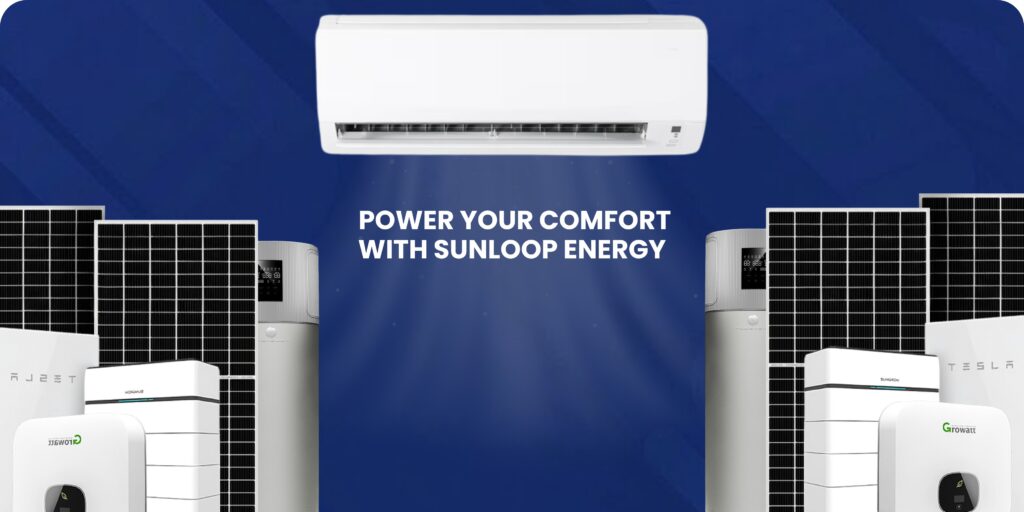
A household can spend years replacing appliances one at a time, only to find the new equipment does not work as efficiently as it could. An electrification roadmap for homeowners changes that. It gives every upgrade a clear order, so your solar, battery, hot water system, heating, cooling and EV charger work together to reduce bills and improve day-to-day comfort.
The goal is not to replace everything overnight. It is to make informed decisions based on your home, energy use, budget and future plans. For most Australian households, the best results come from planning the full system first, then completing upgrades in the order that delivers the strongest value.
Start with your energy use, not a product
Solar panels may be the first thing that comes to mind, but they are only one part of an efficient all-electric home. Before choosing equipment, look at how and when your household uses electricity.
Review at least 12 months of power bills. Note your average daily use, seasonal spikes and whether your highest consumption occurs during the day or after sunset. A family working from home may use more daytime power and gain immediate value from solar. A household with everyone out during business hours may benefit more from pairing solar with a battery, a hot water heat pump that runs in the middle of the day, or both.
It also pays to identify major gas loads. In many homes, gas hot water, ducted heating and cooktops are responsible for much of the remaining fossil fuel use. Replacing these systems can lower gas supply charges as well as energy consumption, but the right timing depends on the age and condition of each appliance.
A professional energy assessment helps turn this information into a practical plan. It should consider your switchboard capacity, roof space and shading, existing wiring, tariff structure, household size, insulation, appliance condition and future changes such as buying an EV or adding a granny flat.
Build your electrification roadmap around the right order
There is no universal upgrade sequence. A home with an ageing electric storage tank needs a different plan from one with a reliable gas heater but no solar. Still, a sensible roadmap usually follows a few principles.
1. Reduce avoidable energy waste
Electrification works best when your home needs less energy to stay comfortable. Draught sealing, ceiling insulation, window coverings and sensible thermostat settings can reduce the heating and cooling capacity required. This may sound less exciting than new technology, but it helps prevent overspending on a larger system than your home actually needs.
If you are replacing air conditioning, select an efficient reverse-cycle system sized for the rooms you use. Modern reverse-cycle air conditioning provides both heating and cooling, making it a highly effective alternative to gas heating or older electric resistance heaters. Good zoning matters too. Heating empty rooms is a fast way to weaken the savings from an otherwise efficient system.
2. Install solar sized for your household plans
Once you understand your usage, solar can be designed around both current demand and expected electrification. A system sized only for today may be too small after you add a heat pump, electric heating or an EV. On the other hand, installing the largest possible system is not always the best financial choice if much of its output will be exported at a low feed-in tariff.
The strongest value generally comes from using solar power in your own home. That means considering load shifting from the start. Running a dishwasher, pool pump, washing machine or heat pump hot water system during solar hours can increase self-consumption without requiring a battery straight away.
Roof orientation, shading and local network requirements all affect system design. Premium components and accredited installation are worth prioritising because solar is a long-term asset, not a short-term purchase.
3. Make hot water a daytime energy asset
Hot water is often the next smart move, particularly when an old gas or electric storage unit is due for replacement. Heat pump hot water systems use ambient heat to warm water rather than generating heat directly, so they can use substantially less electricity than conventional electric tanks.
For a solar household, the opportunity is even better. A timer or smart control can schedule heating during the middle of the day, effectively storing surplus solar energy as hot water for morning showers and evening use. The exact result depends on your household’s hot water demand, climate, tariff and system location, but the principle is straightforward: use lower-cost solar electricity before buying power from the grid.
Check available rebates before committing. Eligibility varies by state, product and installation circumstances, and a reputable provider should explain the likely rebate position clearly rather than building assumptions into a quote.
4. Replace gas heating and cooling strategically
Heating and cooling is where comfort and efficiency meet. If your gas heater is approaching the end of its life, replacing it with reverse-cycle air conditioning can remove a major gas load while giving you efficient cooling in summer.
For larger homes, ducted reverse-cycle systems can suit a whole-home approach. For smaller homes or staged upgrades, split systems in the main living area and bedrooms may offer better value. The right choice depends on the layout, insulation, household routines and whether existing ductwork can be reused or needs replacement.
Avoid replacing working equipment purely because electrification is on your list. If a gas appliance has years of reliable service left, plan for its eventual replacement and make sure your electrical infrastructure is ready. This protects your budget while ensuring the transition does not become an emergency decision.
5. Prepare for an EV charger before you need one
An EV can become one of the largest electrical loads in a home, but it can also be one of the easiest to manage. Most vehicles sit parked overnight or during the day, providing flexibility to charge when electricity is cheaper or when solar generation is high.
If an EV is likely in the next few years, include a charger circuit and switchboard assessment in your roadmap. Installing the required infrastructure during other electrical work can be more cost-effective than calling a contractor back later. Smart chargers can also be configured to manage charging times and help avoid high-demand periods.
Where a battery fits in the plan
A battery is valuable when it solves a clear household need. For some homeowners, that is using more solar after sunset. For others, it is keeping selected circuits running during a blackout. It may also support a more predictable energy budget where time-of-use tariffs make evening grid electricity expensive.
However, a battery is not automatically the first upgrade to make. If your home has limited solar generation, inefficient hot water or major gas appliances still to replace, those areas may deliver better savings per dollar first. Battery sizing should be based on your evening use, solar output, backup requirements and tariff, not on a one-size-fits-all package.
Ask exactly what backup includes. Some systems support only essential circuits such as lights, refrigeration, internet and selected power points. Whole-home backup may be possible in some designs but can require additional equipment and a larger battery. Clear expectations matter, particularly during extended outages or poor weather when solar generation is lower.
Do not overlook the switchboard and compliance work
Many homes need electrical upgrades before or alongside electrification. Your switchboard may require additional circuits, safety switches, surge protection, capacity improvements or a three-phase supply assessment. These items are not optional extras designed to inflate a quote. They are often essential for safe operation, compliance and future expansion.
This is where an integrated provider can simplify the project. Rather than coordinating separate solar, electrical, air conditioning, hot water and EV charging contractors, homeowners can work from one documented plan. SunLoop Energy can assess the full picture, design staged upgrades and coordinate licensed installation so each investment supports the next.
Set a budget that allows for stages
A good roadmap separates immediate needs from future-ready work. You might install solar and a heat pump hot water system now, upgrade heating and cooling when the existing unit fails, then add a battery after reviewing a year of solar production and consumption data. Finance options can make some projects more accessible, but repayments should be weighed against realistic energy savings and household cash flow.
When comparing quotes, look beyond the headline price. Confirm system capacity, equipment brands, warranty terms, installation inclusions, switchboard work, monitoring, rebate handling and after-sales support. Transparent scope protects you from unexpected costs and makes comparisons meaningful.
Your home does not need to become fully electric in one visit. It needs a clear direction, quality installation and upgrades timed to your household’s needs. Start with an assessment, keep the long-term plan in view, and let each improvement make the next one simpler, more affordable and more effective.