A battery delivers its best value when it is planned as part of the way your property uses energy, not treated as a stand-alone add-on. Knowing how to bundle solar battery upgrades can help you reduce grid purchases, avoid repeat installation costs and make practical improvements to comfort, hot water and vehicle charging at the same time.
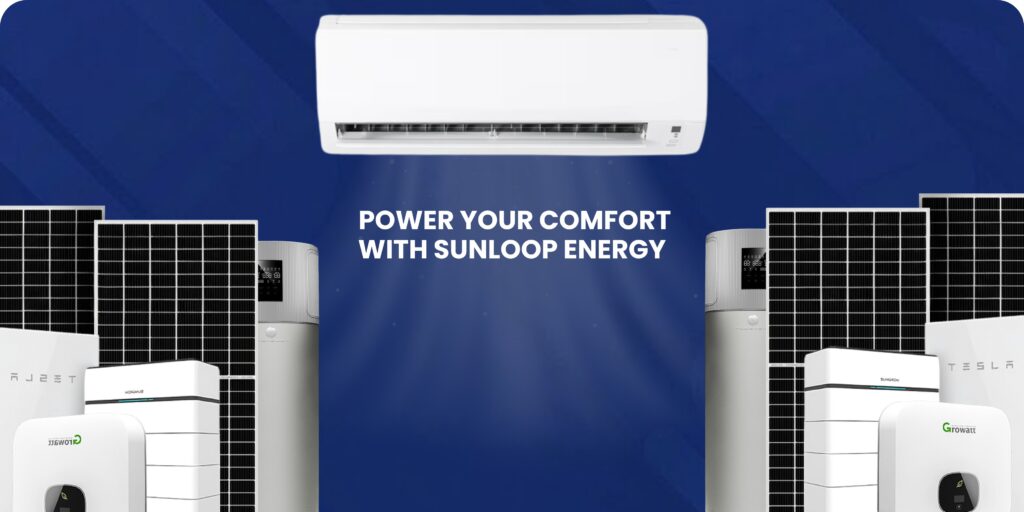
For many Australian households and businesses, the strongest result comes from matching solar generation and battery storage with the large electrical loads already on site. That might mean a heat pump hot water system that runs in the middle of the day, efficient reverse-cycle air conditioning, or an EV charger scheduled around surplus solar. The right bundle depends on your roof, electricity usage, tariff, switchboard capacity and future plans.
Start with your energy use, not the battery size
It is tempting to begin by asking how many kilowatt-hours of storage you need. A better first question is: when does the property consume the most electricity, and can that demand be shifted or reduced?
Review at least 12 months of electricity bills where possible. Look for high daily consumption, evening peaks, controlled-load charges and seasonal changes from heating or cooling. For a business, interval data can reveal whether demand comes from daytime operations, refrigeration, equipment or after-hours loads.
A battery can store excess solar for use after sunset, but it cannot fix an inefficient electric hot water system, an ageing air conditioner or a poor solar design. Bundling upgrades lets the whole system be designed around the same objective: use more of the energy you produce and buy less at expensive times.
Map the loads that matter
Most properties have a handful of loads that shape battery value. Hot water, heating and cooling, pool pumps, EV charging and business equipment can account for a significant share of consumption. Each one behaves differently.
A heat pump hot water system is especially suited to daytime solar because it can be scheduled to heat water while panels are producing. An EV can absorb surplus generation during the day, but may need battery support overnight depending on driving patterns. Air conditioning often runs when solar output is high in summer, yet heating loads can rise after solar production falls in winter.
This is why an energy assessment should consider the property as a complete system. It prevents a battery from being oversized for low-value use or undersized for the evening demand it is meant to cover.
Build the right solar and battery foundation
If your existing solar system is small, old or poorly aligned with your usage, upgrading panels or the inverter may be a better first move than installing a large battery. Additional solar generation creates more energy to store, power daytime appliances and export when appropriate.
If your solar system is performing well, a battery upgrade may be the logical next step. Battery capacity should be based on typical surplus solar, overnight consumption, tariff structure and the amount of backup you want during an outage. More storage is not always better. A large battery that rarely charges fully may take longer to deliver value than a right-sized system paired with smart load control.
Backup requirements also need to be discussed early. Some systems can support selected essential circuits during a blackout, such as lights, refrigeration, internet and selected power points. Running every appliance, including ducted air conditioning or high-demand equipment, requires more careful design and may require a larger battery, backup hardware and switchboard work.
Check the switchboard before adding equipment
Solar, batteries, heat pumps, EV chargers and air conditioning all place new demands on a property’s electrical infrastructure. An assessment of the switchboard, main supply, available circuit capacity and compliance requirements should be part of the bundle from the outset.
Completing this work in one coordinated project can reduce disruption and prevent duplicated labour later. It also gives your installer the opportunity to allow for future circuits, metering and energy monitoring while access is already available. For commercial sites, electrical capacity and operational downtime should be assessed before equipment is selected.
How to bundle solar battery upgrades with other equipment
The most effective bundles are based on the property’s next likely energy need. Rather than adding technology simply because it is available, choose equipment that helps absorb solar energy or reduces high-cost grid consumption.
Solar, battery and heat pump hot water
This is one of the most practical bundles for homes with electric resistance hot water, ageing gas storage systems or high hot water costs. A heat pump uses substantially less electricity than conventional electric storage hot water, and its operating schedule can often be set to coincide with daytime solar production.
The battery then has a clearer role: covering evening household loads instead of being depleted by hot water heating after dark. Results will vary with household size, hot water habits, local climate and equipment settings, but the combination can improve solar self-consumption and reduce reliance on grid electricity.
Solar, battery and efficient heating and cooling
Replacing older heating or cooling equipment with efficient reverse-cycle air conditioning can lower energy use while improving comfort. This works particularly well where occupants are home during the day or where cooling demand is high in summer, when solar production is strongest.
Battery storage can support evening use, although heating on cold winter nights can consume energy quickly. In this situation, insulation, zoning, thermostat settings and equipment efficiency are just as important as battery capacity. A quality design focuses on comfort and operating cost, rather than promising that a battery will run every load indefinitely.
Solar, battery and EV charging
An EV charger is a strong addition for households or businesses with predictable daytime parking. Smart charging can direct surplus solar to the vehicle before drawing from the grid, reducing charging costs without unnecessarily cycling the battery.
Where the vehicle returns home only at night, the economics may be different. Charging an EV from a battery can be useful in some circumstances, but it can also drain stored energy needed for the home overnight. A charger with scheduling and load management gives you more control, especially when electricity tariffs vary by time of use.
Solar, battery and business loads
For small and mid-sized businesses, bundling can include solar, storage, efficient HVAC, hot water, EV charging and energy monitoring. The right mix depends on trading hours and equipment loads. A café with daytime refrigeration and hot water has a different profile from a warehouse, office or workshop.
Commercial battery storage may reduce evening purchases, manage certain peak periods and provide selected backup capability. However, demand charges, site supply limits, export rules and operational needs need to be assessed carefully. A system that looks attractive on a simple payback calculation may not suit the way the site actually operates.
Plan the project in the right order
Bundling does not always mean installing every item on the same day. Sometimes it means creating one integrated plan, then delivering upgrades in stages as budget, approvals or equipment timing allows.
A sensible sequence is to assess energy use and electrical capacity first, then design the solar and battery system alongside the appliances that will use the energy. From there, confirm available incentives, finance options, installation timing and any network requirements. This approach avoids buying equipment that conflicts with later upgrades.
There are four areas worth confirming before you approve the project:
- Whether the solar inverter and battery are compatible with the existing or proposed system
- Whether the switchboard, cabling and main supply can support new high-load appliances
- Which circuits need backup during outages, and what level of backup is realistic
- How rebates, certificates or finance options apply to each component and your location
Incentives and eligibility criteria can change, so they should be checked at the time of quotation. Transparent pricing should also separate equipment, installation, electrical upgrades and any optional backup or monitoring features, so you can compare value properly.
Choose one team to coordinate the details
A bundled energy project can involve solar design, battery configuration, electrical compliance, plumbing for hot water, air conditioning installation, EV charging, network applications and commissioning. Coordinating separate contractors can work, but it can leave gaps between scopes of work when equipment needs to communicate or share switchboard capacity.
Working with one experienced provider gives you a single plan and clear accountability across the project. SunLoop Energy can assess how solar, battery storage, heat pumps, air conditioning and EV charging fit together, then coordinate licensed installation and support around the performance goals that matter to you.
Ask for clear answers about warranties, monitoring, system settings and after-sales service. A good installer will explain what the system can do, what it cannot do, and how your everyday habits affect savings.
The best bundle is not the one with the most equipment. It is the one that suits your property, gives you useful control over energy costs and leaves room for the way you will live or operate in the years ahead. A detailed assessment before installation is the practical first step toward that outcome.