
If you are planning solar panels, a home battery, a heat pump, ducted air conditioning or an EV charger, there is one piece of equipment that quietly decides how smoothly the job goes: your switchboard. A switchboard upgrade is one of the most common “extras” that appears on energy quotes in Australia, and it often catches homeowners by surprise. This guide explains what a switchboard does, the signs yours may need replacing, why new energy upgrades so often trigger the work, and how to plan for it so there are no shocks on installation day.
What Does a Switchboard Actually Do?
Your switchboard is the hub where electricity from the grid (and from your solar system, if you have one) is divided into individual circuits for lights, power points, the oven, hot water and air conditioning. Each circuit is protected by a device designed to cut the power when something goes wrong.
There are two main types of protection inside a modern board:
- Circuit breakers protect wiring and appliances from overloads and short circuits.
- Safety switches (also called residual current devices, or RCDs) protect people. They detect current leaking to earth, such as through a person touching a faulty appliance, and cut power within a fraction of a second.
Many boards now use combined devices (RCBOs) that do both jobs on a single circuit. Older boards, by contrast, may rely on ceramic rewireable fuses and have no safety switches at all.

Signs You May Need a Switchboard Upgrade
Not every older board needs replacing, but these warning signs are worth a closer look by a licensed electrician:
- Ceramic fuses with fuse wire instead of modern circuit breakers.
- No safety switches, or safety switches covering only some circuits. A safety switch has a “T” or “Test” button; a device without one is probably just a circuit breaker.
- Frequent tripping or blown fuses when several appliances run at once.
- Heat, burning smells, buzzing or scorch marks around the board.
- Flickering or dimming lights when large appliances start.
- No spare space for new circuits or protection devices.
- A black or dark backing panel in an older home, which may contain asbestos (more on this below).

If you notice heat, burning smells or scorch marks, treat it as urgent and call an electrician rather than waiting for your next upgrade.
Why Energy Upgrades Often Trigger a Switchboard Upgrade
Adding new equipment means adding new circuits, isolators and protection devices. When an electrician alters your installation, the new work has to comply with the current wiring rules, and an older board may simply not be able to accommodate it safely. Here is how each type of upgrade typically affects the board.
Solar Panels
A solar system needs a dedicated circuit and protection for the inverter, plus clear labelling and isolation points. A switchboard upgrade is not always required for solar, but it is common where the board has no room for an extra breaker, still uses fuses, or lacks the safety switches needed to protect the new work.

Home Batteries
Batteries add another layer of complexity. A hybrid inverter or battery inverter needs its own protection, and if you want blackout backup, some circuits are usually moved onto a separate “backup” section of the board. That often means rearranging circuits or adding a sub-board, which is much easier with a modern switchboard.
EV Chargers
A wall-mounted EV charger is one of the largest single loads in a home. It needs a dedicated circuit and appropriate protection, and the electrician must check that your main supply can handle the extra demand. On single-phase homes with an older board, an upgrade is common, and load management may be recommended so the charger slows down when the rest of the house is busy.

Heat Pumps and Air Conditioning
Heat pump hot water systems and reverse cycle air conditioners each need their own circuit. If you are replacing gas appliances as part of going all electric, you may be adding several large circuits at once, which can push an older board past its limits.
Safety Switch Rules Across Australia
Requirements differ between states and territories, so it pays to check the rules where you live. A few examples from official sources:
- Queensland: The Electrical Safety Office says safety switches have been compulsory in new homes since 1992 and on all power point and lighting circuits in homes built since 2000. When a home is sold without one, the buyer must have a safety switch installed on power point circuits within three months, and landlords must ensure power points are protected within six months of a tenancy agreement.
- Tasmania: Consumer Affairs Tasmania advises that safety switches should cover all circuits supplying power points, appliances and lights. Older homes are not automatically required to have them unless the installation is altered, but they are strongly recommended.
- Victoria: Energy Safe Victoria notes that many older properties lack safety switches and urges owners to have a licensed electrician install them as soon as possible.
Regulators also recommend testing safety switches regularly. Energy Safe Victoria suggests at least once a year, while Consumer Affairs Tasmania suggests every three months. Press the “Test” button: power to that circuit should cut out. If it does not, call a licensed electrician.
Asbestos and Older Switchboards
According to the Asbestos Safety and Eradication Agency, most asbestos-containing switchboard and meter panels were installed before 1990. Drilling, cutting or sanding these panels can release asbestos fibres, and meter boxes may also contain loose asbestos dust.
If your home was built before 1990, never drill into or modify the board yourself. Your installer should identify a suspect panel during the site inspection and arrange for it to be handled by appropriately qualified people. In some cases, the safest option is to replace the panel entirely, which can affect both the cost and the timeline of your project.
What a Switchboard Upgrade Involves
Every home is different, but a typical upgrade follows these steps:
- Inspection: A licensed electrician checks the existing board, wiring, earthing, main supply and meter box, and notes any asbestos risk.
- Design: They plan the new layout, including spare space for future solar, battery, EV or heat pump circuits.
- Power shutdown: Power to the home is switched off for the duration of the work, so plan around fridges, medical equipment and working from home.
- Installation: The old fuses or breakers are replaced with modern circuit breakers, safety switches or RCBOs in a new enclosure.
- Testing and certification: Every circuit is tested, and the electrician provides the compliance certificate required in your state or territory.
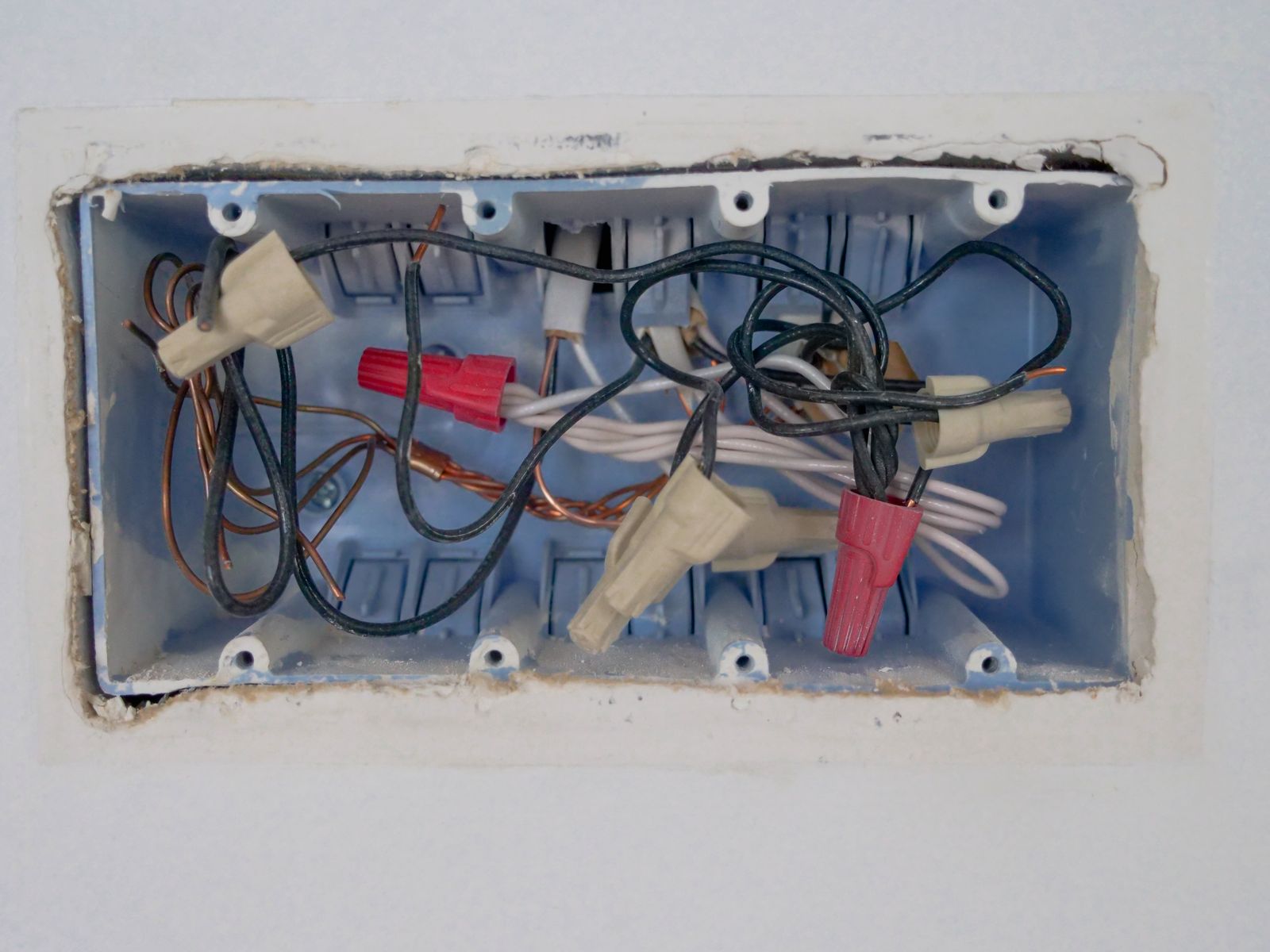
Some upgrades also involve the network operator, for example if the meter needs to be moved or the main supply upgraded. Your installer should tell you upfront whether that applies, because it can add time.
How Much Does a Switchboard Upgrade Cost?
There is no single price, because the cost depends on how many circuits you have, whether you are on single or three-phase power, how much room you want for future equipment, whether asbestos is present, and whether the meter box or main cable also needs work. A simple upgrade on a modern home will cost far less than a full rebuild on an older home with a suspect panel.
The most important thing is to get the switchboard costed on your quote before installation, not discovered on the day. When comparing quotes, check whether each one:
- Is based on photos or an on-site inspection of your board.
- Lists the switchboard work as a separate, itemised line.
- Includes spare capacity for the upgrades you plan next.
- Explains how asbestos would be handled if found.
Plan Your Switchboard Upgrade Around Future Energy Upgrades
If you are electrifying your home in stages, upgrading the switchboard once, with room to grow, is usually smarter than modifying it every time you add something. Tell your installer what you might add over the next few years, such as a battery after your solar, or an EV charger when you buy your next car. They can then allow space for extra circuits, a backup section for a battery, and any load management the charger may need.
Doing the board work at the same time as a major install can also mean only one power shutdown and one visit, which keeps disruption down.
Switchboard Upgrade FAQs
Do I need a switchboard upgrade to install solar?
Not always. Many homes with modern boards can take solar without major changes. An upgrade is more likely if your board uses ceramic fuses, has no space for new breakers, or lacks the safety switches needed to protect the new work.
Can I replace my own switchboard?
No. Switchboard work, including installing or replacing safety switches, must be done by a licensed electrician. If your board may contain asbestos, it should not be disturbed without qualified asbestos advice.
How long will my power be off?
It depends on the size of the job. A straightforward upgrade is often completed within a working day, but larger jobs, asbestos removal or work involving your network operator can take longer. Your installer should confirm the expected outage before the day.
Is a switchboard upgrade covered by rebates?
Rebates generally apply to the solar system, battery, heat pump or other eligible equipment rather than to the switchboard itself. Check the rules of the specific program you are applying for, and ask your installer how the switchboard work is shown on your quote.
Get a Clear, Upfront Quote from Sunloop Energy
Whether you are adding solar, a home battery, a heat pump, air conditioning or an EV charger, Sunloop Energy checks your switchboard as part of the quote, so you know exactly what is needed before any work begins. We can plan your switchboard upgrade with space for the upgrades you have in mind, keeping your home safe and ready for the future. Request a free quote from Sunloop Energy today and let our team assess your home.