
If you’ve replaced your gas hot water, heating and cooktop with efficient electric appliances, the last step is working out how to disconnect gas properly. Simply stopping your gas use doesn’t stop the bills: as long as a connection is active, most retailers keep charging a daily supply charge. This guide explains the difference between disconnection and abolishment, the steps to follow in each state, what it typically costs and how to get the timing right so you’re never left without hot water or heating.
Why Australians Are Choosing to Disconnect Gas
More households are going all-electric because modern heat pumps, reverse-cycle air conditioners and induction cooktops are highly efficient, and they can run on rooftop solar instead of a fuel you have to buy. Once the last gas appliance is gone, the gas connection becomes a fixed cost with no benefit. Over a year, those daily supply charges add up to a noticeable amount on their own, which is why closing the connection matters as much as replacing the appliances.
Government policy is moving in the same direction. Victoria no longer allows gas connections for most new homes that need a planning permit, and the ACT has stopped new gas network connections for most new builds. Existing homes aren’t forced off gas, but the trend is clear, and many owners prefer to plan the switch on their own terms.
Disconnection vs Abolishment: What’s the Difference?
There are two ways to end your gas supply, and choosing the wrong one can cost you money or leave a safety issue behind.
Temporary disconnection
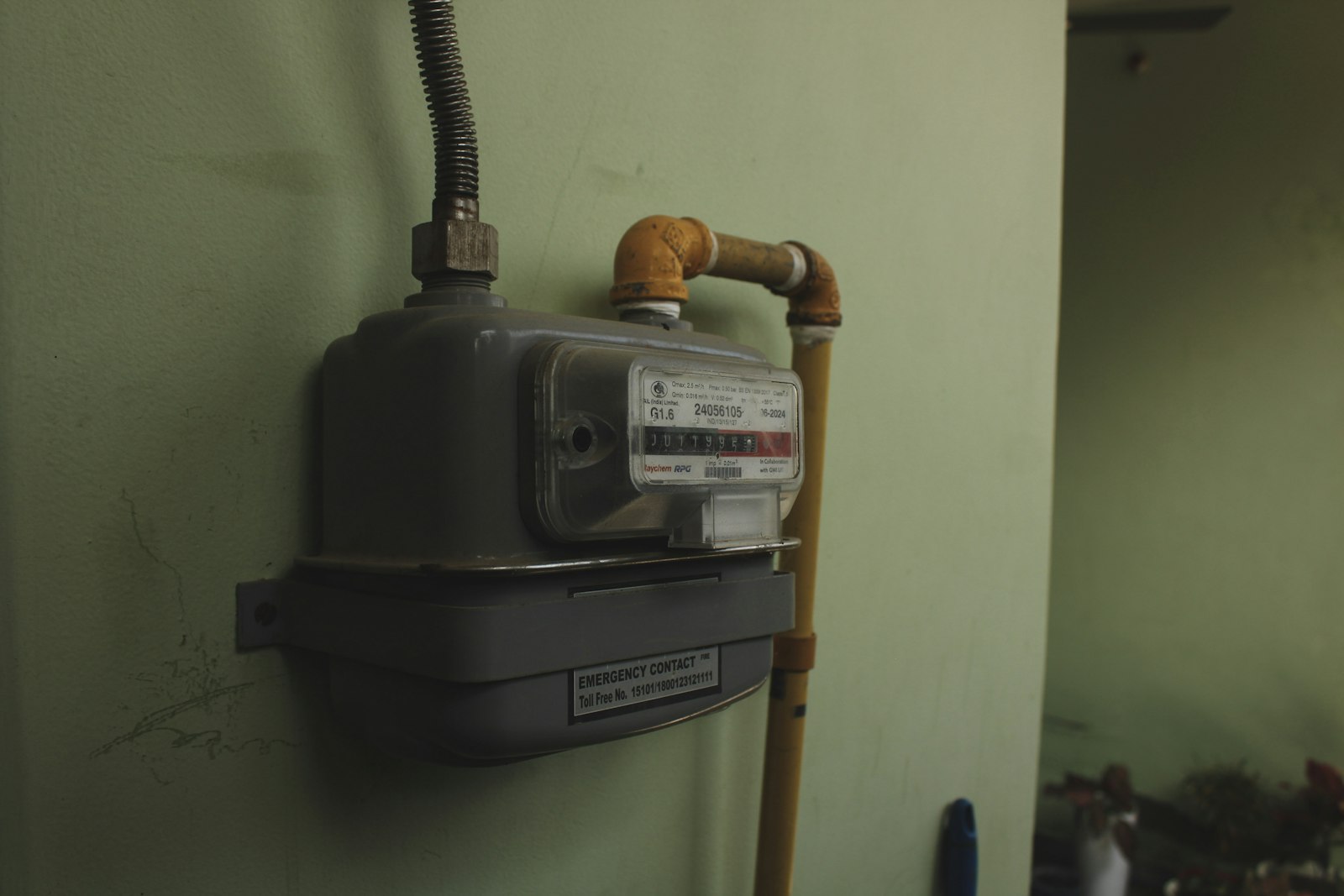
A temporary disconnection turns the supply off at the meter and closes your gas account. The meter and pipework stay on the property, and the service pipe from the street to the meter still contains gas. Supply can be reconnected later. According to Jemena, which runs the main gas network in NSW, this suits people who aren’t using gas now but may want it again and have no major renovation or rebuild planned.
Permanent abolishment
Abolishment permanently isolates the connection, usually at the main in the street, and removes the meter. It ends ongoing service charges for good. ACT government guidance describes abolishment as the safer option, and it’s required before demolition. In NSW, the SafeWork NSW demolition code requires abolishment before demolition work starts. Only the property owner (or their representative) can usually request it.
| Temporary disconnection | Permanent abolishment | |
|---|---|---|
| Meter | Stays on site | Removed |
| Gas in service pipe | Yes, still live to the meter | Isolated from the network |
| Can be reconnected? | Yes, relatively easily | Requires a new connection |
| Supply charges | Stop once completed | Stop once completed |
| Best for | Short or medium term, no building works planned | Going all-electric for good, renovating, selling or demolishing |
How to Disconnect Gas: Step by Step
The process is broadly the same across Australia. Your retailer is the point of contact, and the network distributor does the physical work.
1. Replace every gas appliance first
Make a list of everything on gas: hot water, space heating (ducted, wall furnace or log fire), cooktop and oven, and less obvious items such as a pool or spa heater, outdoor barbecue on mains gas, or a gas dryer. Each one needs an electric replacement before the gas goes off. The usual swaps are a heat pump hot water system, reverse-cycle split or ducted air conditioning, and an induction cooktop with an electric oven.

2. Check your electrical capacity
Adding several electric appliances can push an older switchboard or a single-phase supply close to its limits, especially if you’re also adding an EV charger. An electrician should check your switchboard, safety switches and supply capacity before the new appliances go in. Our switchboard upgrade guide explains what to look for.
3. Have the old appliances removed and capped
Gas appliances must be disconnected and the internal pipework capped by a licensed gas fitter. It’s usually cheapest to have this done at the same time as the new appliance installation rather than as a separate call-out.
4. Contact your gas retailer
Call or email your retailer and say clearly whether you want a temporary disconnection or a permanent abolishment. Ask for an itemised quote that includes the network charge and any retailer administration or final meter read fees. If you don’t know who your retailer is, the distributor for your area can tell you.
5. The distributor completes the work
Your retailer passes the request to the network, which sends an authorised technician. For a temporary disconnection, Jemena says it aims to complete the job within five business days of receiving a valid request from your retailer; abolishment can take longer because it may involve work at the street. Make sure the meter is accessible on the day.
6. Check your final bill
Your final bill should show the account closed and supply charges stopped from the completion date. If charges continue, contact your retailer, and if it isn’t resolved, the energy ombudsman in your state can help with eligible complaints free of charge.
What Does It Cost to Disconnect Gas?
Network fees for disconnection and abolishment are regulated by the Australian Energy Regulator (AER) in most states, and your retailer may add its own fee on top. Fees are reviewed in each regulatory period, so always confirm the current amount with your retailer before booking. As a general guide:
- Victoria: the AER set a $220 charge to the customer for permanent abolishment on the AusNet, Australian Gas Networks and Multinet networks, with the rest of the cost spread across all gas customers. This was introduced to make permanent removal cheaper and safer than leaving disused connections in place.
- New South Wales: standard residential abolishment on the Jemena network now costs a few hundred dollars under the current regulated pricing, much less than the fees proposed earlier. Your retailer will quote the exact amount.
- ACT: ACT government guidance lists temporary disconnection at about $100 for a standard residential connection and abolishment at several hundred dollars for a standard job, with urgent or complex jobs costing more. A gas fitter capping the line adds roughly $100 if done with appliance removal.
- Other states: in South Australia, Queensland and Western Australia, costs depend on the network and the site, and meter removal, pipe removal and street work may be charged separately. Ask for a complete quote in writing.
Remember to weigh the one-off fee against what you’d keep paying in supply charges if you left the connection open. For most households that have finished going electric, closing the account pays for itself.
Getting the Order Right When You Go All-Electric
Sequencing makes the switch smoother and usually cheaper. A practical order looks like this:
- Hot water first. Water heating is often the biggest gas user in an Australian home, and a heat pump can be timed to run during the day on solar.
- Heating next. Reverse-cycle air conditioning replaces gas ducted or wall heaters and gives you cooling as well.
- Cooking last. An induction cooktop is often the simplest swap, though it may need a dedicated circuit.
- Add or expand solar and a battery. More electric load means more value from rooftop solar, and a battery helps cover evening heating and cooking.
- Disconnect or abolish the gas. Only once every appliance is replaced and tested.
If you’d like more detail on planning each stage, see our electrification roadmap for homeowners.
Rebates That Can Help Before You Disconnect
There’s generally no rebate for the disconnection itself, but there are incentives for the electric appliances that replace gas. Heat pump hot water systems and some reverse-cycle air conditioners can attract small-scale technology certificates under the federal Small-scale Renewable Energy Scheme, and several states offer their own programs, such as Solar Victoria’s hot water rebate and NSW’s energy savings incentives. Home batteries may be eligible for a discount under the federal Cheaper Home Batteries Program. Eligibility rules and amounts change regularly, so check current details with the relevant government program or ask us when we quote. Our guide to energy upgrade rebates has more background.
Safety Rules You Need to Know
- Never remove a gas meter or cut a gas pipe yourself. Only the network distributor or its authorised contractors can work on network assets, and tampering is a serious offence. In NSW, Jemena notes penalties under the Gas Supply Act can include large fines and imprisonment.
- After a temporary disconnection, the service pipe can still contain gas, so take care with digging, landscaping or building work near it.
- If you plan to demolish, rebuild or do major renovations, arrange abolishment before work starts.
- Have a licensed gas fitter cap any internal pipework when appliances are removed.
Frequently Asked Questions
Can I just stop using gas and leave the connection?
You can, but you’ll usually keep paying a daily supply charge for as long as the account is open, even if you use no gas at all.
Should I choose disconnection or abolishment?
If you’re confident you won’t use gas again, abolishment is the cleaner, safer long-term option. Temporary disconnection suits people who might want gas back or are unsure.
Can renters disconnect gas?
Renters can close their own gas account, but abolishment and replacing fixed appliances are decisions for the property owner. Talk to your landlord or agent first.
How long does it take?
A temporary disconnection is often completed within about a week of your retailer lodging the request. Abolishment can take longer, depending on the network and whether street work is needed.
Will going all-electric increase my power bill?
Your electricity use will rise, but efficient appliances, solar and good timing can offset much of that, and you stop paying for gas and its supply charge. Results depend on your home, usage and tariff.
Ready to Go Gas-Free? Talk to Sunloop Energy
Sunloop Energy installs heat pump hot water, reverse-cycle air conditioning, solar, home batteries and EV chargers, so we can help you replace every gas appliance in the right order and size your system to suit your household. Once your home is fully electric, you’ll be ready to disconnect gas with confidence. Request a free quote from Sunloop Energy today and we’ll help you plan your switch.